
top

BDZ vor Ort

Ihr Kontakt zu den Bezirksverbänden

Bezirksverband Baden
Kaiser-Joseph-Str. 254, 79098 Freiburg
+49 761 2020321 E-Mail
Bezirksverband Berlin-Brandenburg
HZA Frankfurt (Oder) Kopernikusstr. 25, 15236 Frankfurt (Oder)
E-Mail
Bezirksverband Bund
Wilhelmstraße 97, 10117 Berlin
E-Mail
Bezirksverband Düsseldorf
S-Heerenberger-Str. 107, 46446 Emmerich am Rhein
E-Mail
Bezirksverband Hannover
Im Fuchsloch 3a, 21379 Scharnebeck
+49 172 4106989 E-Mail
Bezirksverband Hessen
Postfach 1243, 64602 Bensheim
E-Mail
Bezirksverband Köln
HZA Köln Stolberger Straße 200, 50933 Köln
+49 221 94131020 E-Mail
Bezirksverband Nord
Mönkedamm 11, 20457 Hamburg
+49 40 5118733 E-Mail
Bezirksverband Rheinland-Pfalz
GZD IV Wiesenstraße 32, 67433 Neustadt a. d. W.
+49 228 30341017 E-Mail
Bezirksverband Saarland
HZA Saarbrücken Präsident-Baltz-Straße 5, 66119 Saarbrücken
E-Mail
Bezirksverband Südbayern
Hansjakobstr. 122, 81825 München
+49 89 43670487 E-Mail
Bezirksverband Westfalen
BV Westfalen c/o Stefan Walter Goldammerweg 30 58455 Witten
+49 231 95719001 E-Mail

Europa

German customs in Europe

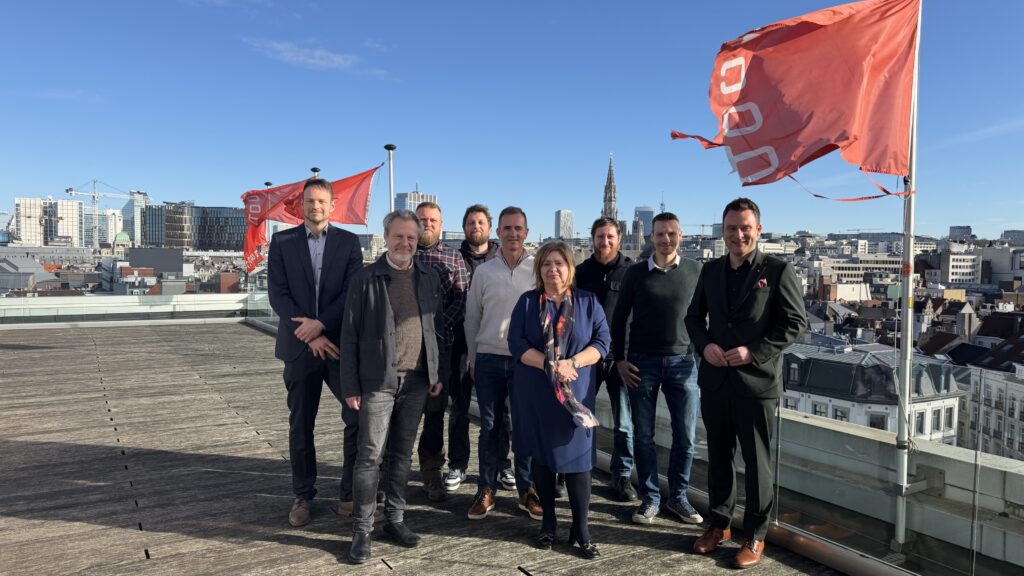
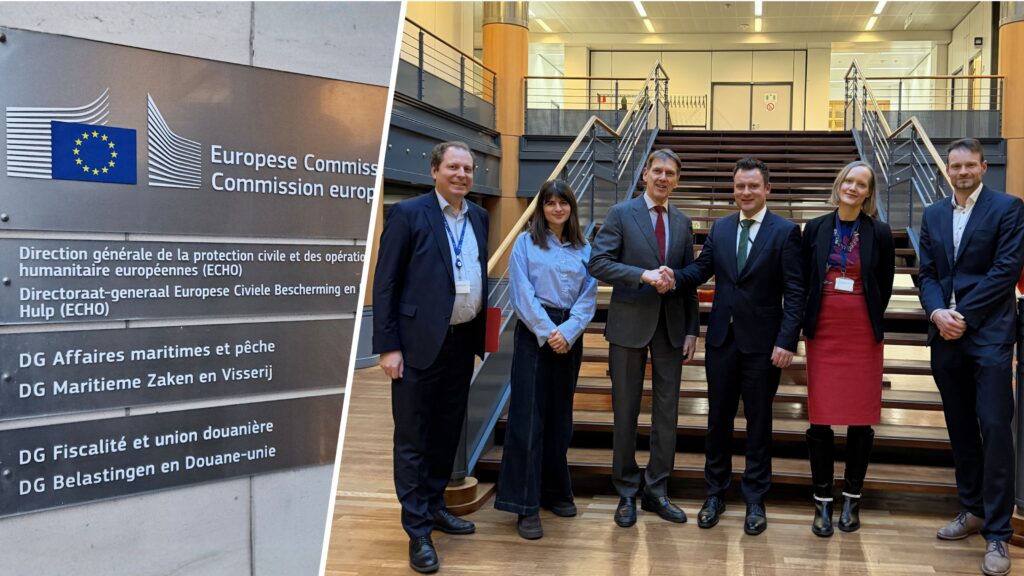
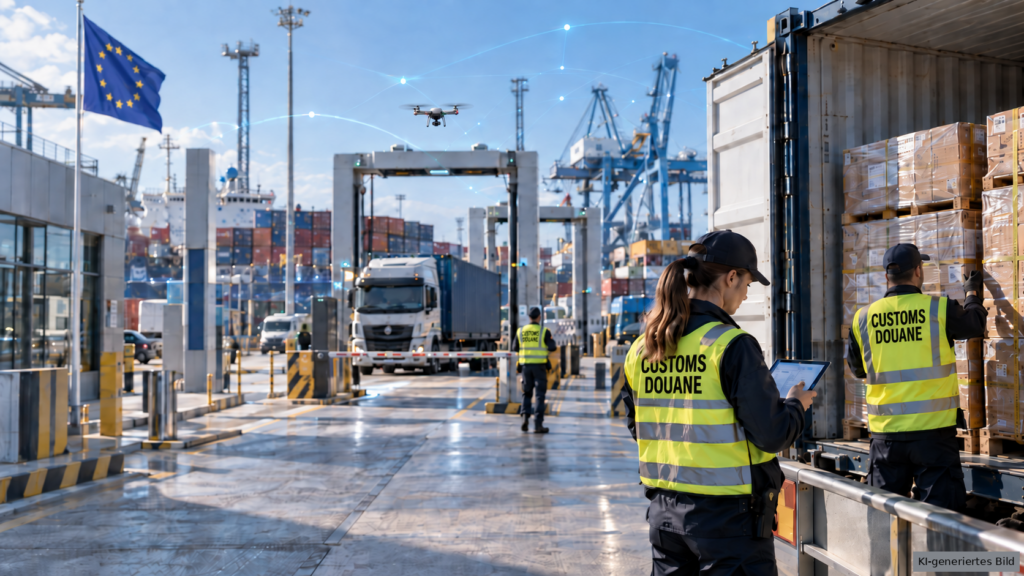
The planned reform of the EU Customs Union is more than just a technical update. It represents a structural intervention in the future architecture of European customs enforcement – ​​with far-reaching consequences for businesses, public administration, and internal security. The German Customs Union (BDZ) began constructively monitoring these developments early on and has now contributed to the discussions on customs reform during a trip to Brussels.

The reform is a response to the current pressures facing EU customs authorities: the enormous increase in trade volume, particularly in e-commerce, the rapidly growing number of EU standards that must be checked at borders, and the changing geopolitical landscape.

At the heart of the reform is the Union Customs Code, flanked by the planned EU Customs Data Hub and the establishment of a European Customs Agency. The goal is a more harmonized, data-driven, and digitized customs union. The EU Customs Data Hub is intended to pool risks across Europe, enable risk flagging, and ensure greater transparency, especially in e-commerce. At the same time, a new customs authority is intended to raise operational coordination, risk management, and training to a common European standard.

All of this sounds logical – and it is. More efficient processes, better risk monitoring, and greater legal certainty are in the interest of both businesses and authorities. But: Reforms are only viable if they are enforceable. This is precisely why the BDZ German Customs and Finance Union is leading talks on a European level. In discussions with the Commission, the European Parliament and European stakeholders, we have made it clear that data quality, access rights, control standards, and staffing requirements must be realistically assessed. A modern customs union must not create a parallel bureaucracy, but rather strengthen operational enforcement.
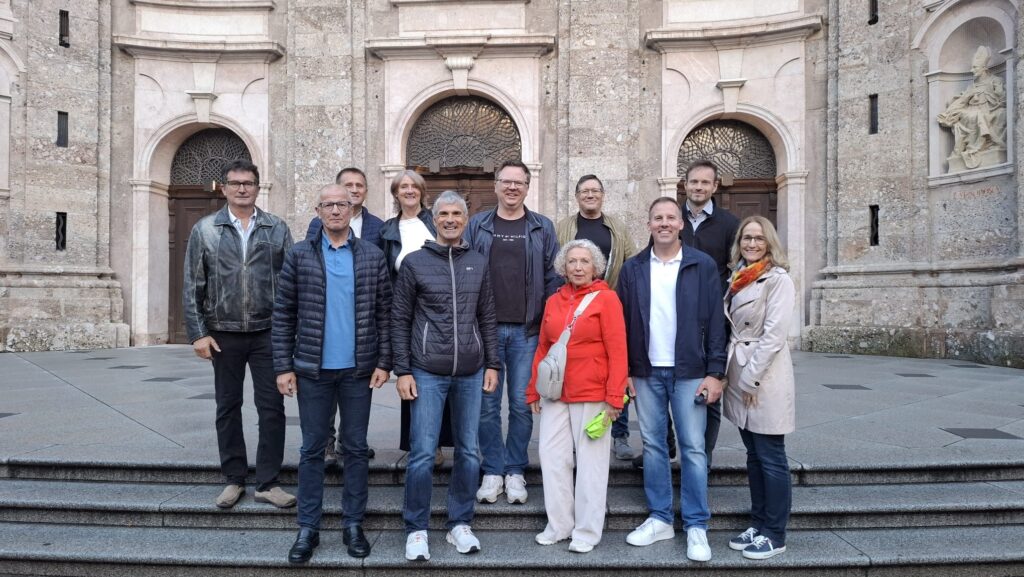
GÖD und BDZ tauschen sich in Innsbruck aus

Fachtagung zu Digitalisierung, KI und der neuen EU-Zollbehörde: Auf Einladung der österreichischen GÖD Finanzgewerkschaft reiste eine Delegation des BDZ Deutsche Zoll- und Finanzgewerkschaft Anfang Oktober zu einem internationalen gewerkschaftlichen Austausch nach Innsbruck. Im Mittelpunkt des Treffens standen die gemeinsamen Herausforderungen der Zollverwaltungen und der Zöllnerinnen und Zöllner in Österreich und Deutschland sowie die Reform der Zollunion durch die neue EU-Zollbehörde EUCA.

EU-Zollreform beschlossen: Jetzt beginnt der Praxistest

Mit dem neuen Unionszollkodex stellt die EU die Zollabfertigung grundlegend neu auf. Handling Fee, EU Customs Data Hub, neue Zuständigkeiten für Online-Plattformen und eine Europäische Zollbehörde sollen den Zoll moderner und schlagkräftiger machen. Für die Beschäftigten entscheidet sich der Erfolg der Reform aber nicht im Amtsblatt, sondern im täglichen Vollzug. Der BDZ sieht wichtige Verbesserungen gegenüber früheren Reformplänen – warnt zugleich aber vor neuen Aufgaben, zusätzlichen Abstimmungswegen und einem enormen technischen Umsetzungsdruck.

Exchange with the Belgian Customs Union CGSP-ACOD

As part of a visit to European institutions, a BDZ delegation met with representatives of the Belgian customs union CGSP-ACOD on February 4, 2026. The focus of the discussions was the situation in the Port of Antwerp, status issues within the Ministry of Finance, and differences in the organization of customs administrations. The professional dialogue clearly demonstrated the significant influence of national structures on the implementation of European reforms.

BDZ im konstruktiven Austausch mit der EU-Kommission

Im Rahmen einer Brüssel-Reise Anfang Februar hat der BDZ – Deutsche Zoll- und Finanzgewerkschaft – ein ausführliches Fachgespräch mit Vertreter/innen der Europäischen Kommission geführt. Im Fokus standen die laufenden Reformvorhaben im europäischen Zollrecht, insbesondere die Reform des Unionszollkodex, der geplante EU-Zolldatenhub sowie die künftige Rolle einer europäischen Zollagentur.

BDZ trifft auf Spitzenverbände der Wirtschaft

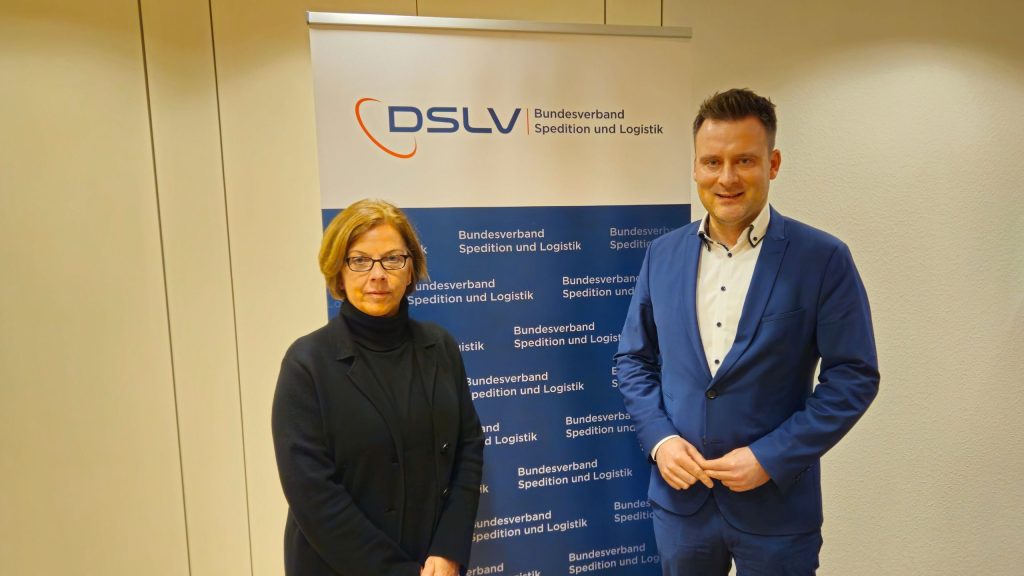
Im Januar 2025 konnten der BDZ-Bundesvorsitzende Thomas Liebel, die Vorsitzende des BDZ-Fachausschusses Zölle und Steuern Diana Beisch und der BDZ-Pressesprecher Felix Schirner wichtigen Wirtschaftsverbänden das neue Positionspapier der Gewerkschaft vorstellen und mehr über ihre Sichtweise auf die EU-Zollreform erfahren.

Reform der EU-Zollunion

Im Rahmen der geplanten EU-Zollreform legt der BDZ ein umfassendes Positionspapier vor. Darin behandeln wir die verschiedenen Bereiche der Reformvorschläge der Europäischen Kommission und zeigen auf, welche Folgen für die Zollabfertigung zu erwarten sind. Die Reform wird von uns grundsätzlich positiv begleitet – jedoch kann sie nur gelingen, wenn sie praxistauglich umgesetzt wird.

Will Brüssel mehr Kontrolle über unsere Zollämter?

Die erstmals im Mai 2023 seitens der EU-Kommission vorgestellten Pläne für eine grundsätzliche Reform der Zollunion rücken näher. Gespräche zur Konkretisierung der Umsetzung mit den Mitgliedstaaten sind bereits voll im Gange. Der BDZ-Bundesvorsitzende Thomas Liebel warnt: „Die Forderung nach ‚Mehr Europa‘ darf nicht zu einer Schwächung der deutschen Zollverwaltung führen. Die betroffenen Beamtinnen und Beamten in der Warenabfertigung sind keine willkürliche Verfügungsmasse für Pläne der EU.“